
Horizont Computergrafik
Factsheet
Founding date:
July 2022 in Berlin, Germany
Contact:
mail@horizontcomputergrafik.com
Company Social Media:
Horizont
Computergrafik on
LinkedIn
Horizont
Computergrafik on Steam
Projects:
Rogue Voltage
Studio Description
Horizont Computergrafik is a games and interactive media studio based in Berlin, founded in 2022.
The studio draws inspiration from the technological and cultural pioneering spirit of early computer graphics and the demoscene of the 1980s and 90s. We are interested in unique, deep, and mesmerizing digital experiences that are informed by history but quintessentially contemporary.
The Founder
Luca Beisel is an art historian and software developer with a background in Digital Humanities, simulation and visualization software for academia. (Luca Beisel Personal Website)
This multidisciplinary interest, bridging art history, interactive technology and immersive media, shapes the studio's approach: technically ambitious work that explores novel concepts in game design, interface design, creative software, and interactive computing.

Horizont Computergrafik is a member of
Saftladen Indie Games Collective
Berlin.
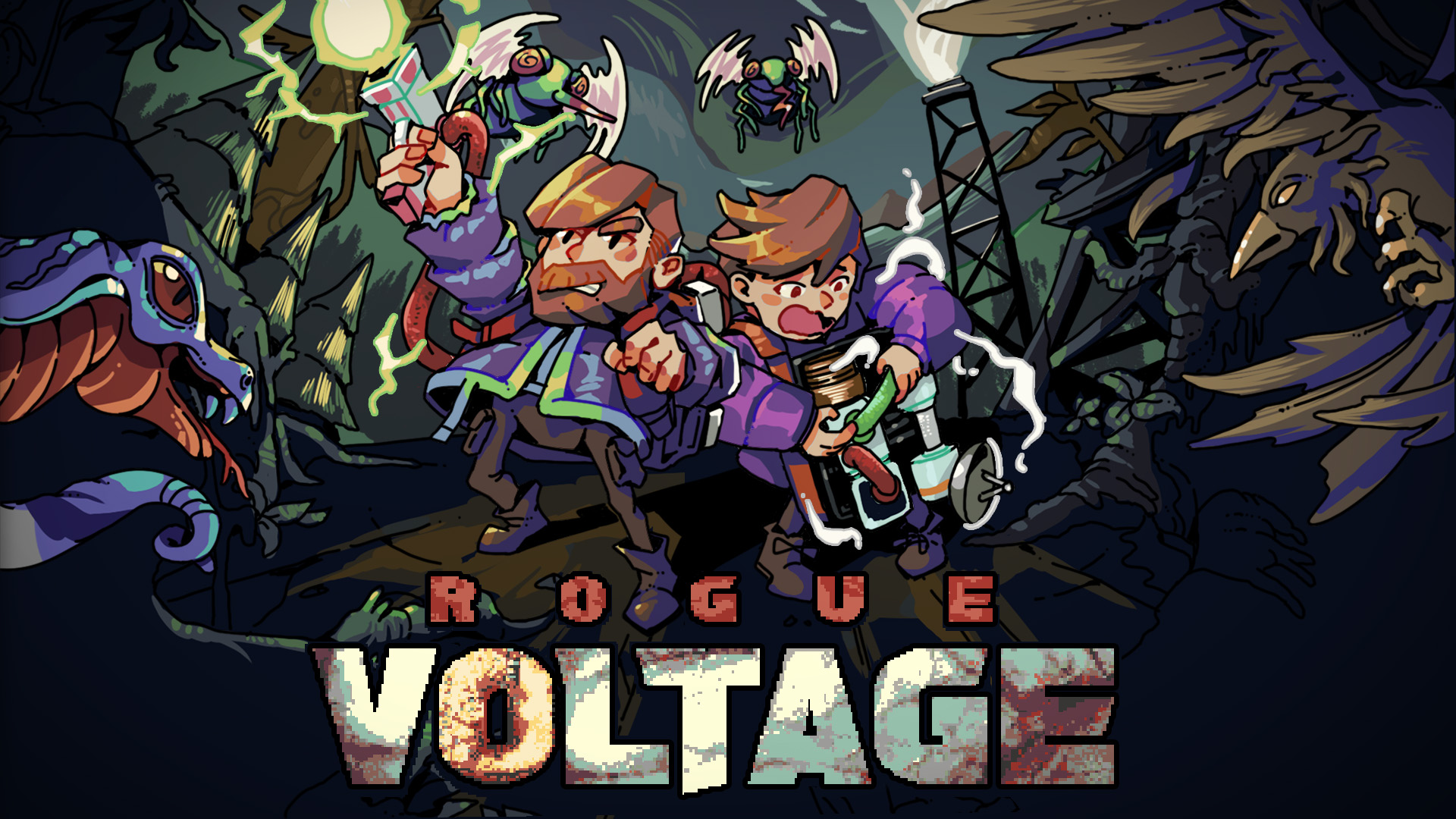
Rogue Voltage
Factsheet
Developer:
Horizont Computergrafik
Based in Berlin, Germany
Release date:
May 10th 2024 (Steam Early Access)
Social Media
Rogue Voltage on
Bluesky
Rogue Voltage on
Discord
Platforms:
Rogue Voltage on Steam
Description
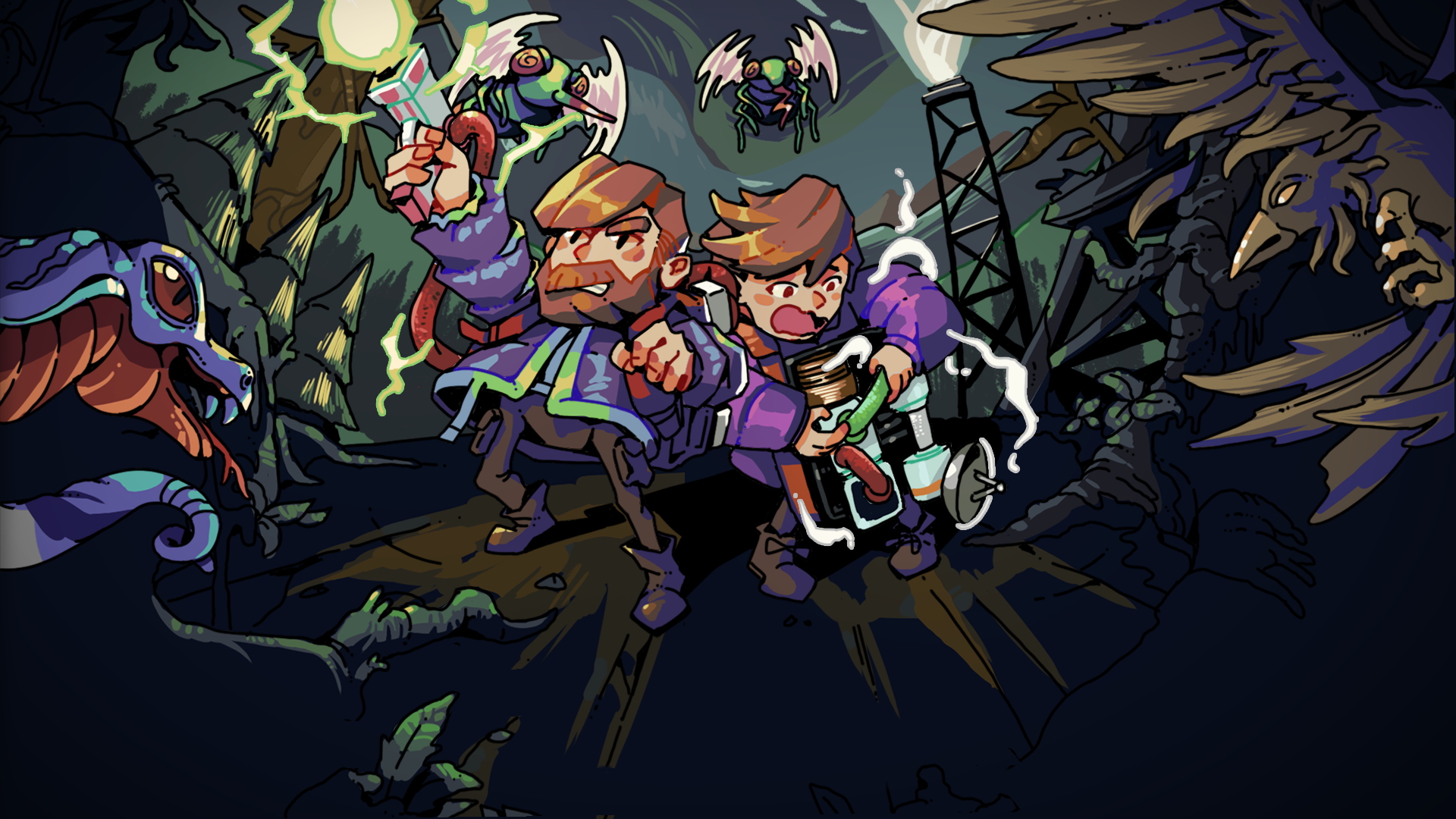
The engineering roguelike.
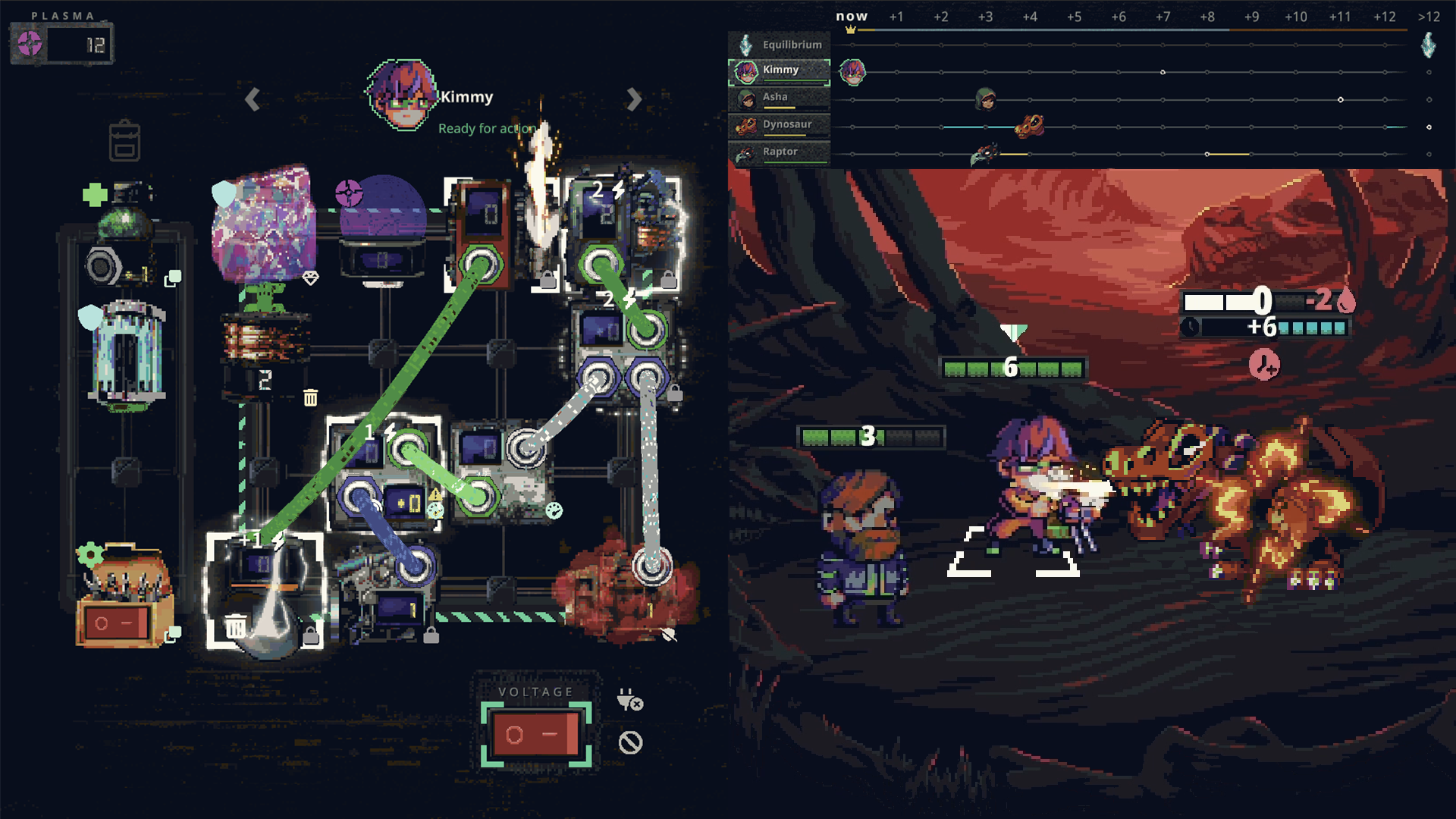
Construct your own skills by wiring circuits. Zap monsters with crazy machines, trigger satisfying chain reactions, manipulate the timeline and try to get the power back on in a world, in which time is out of joint.
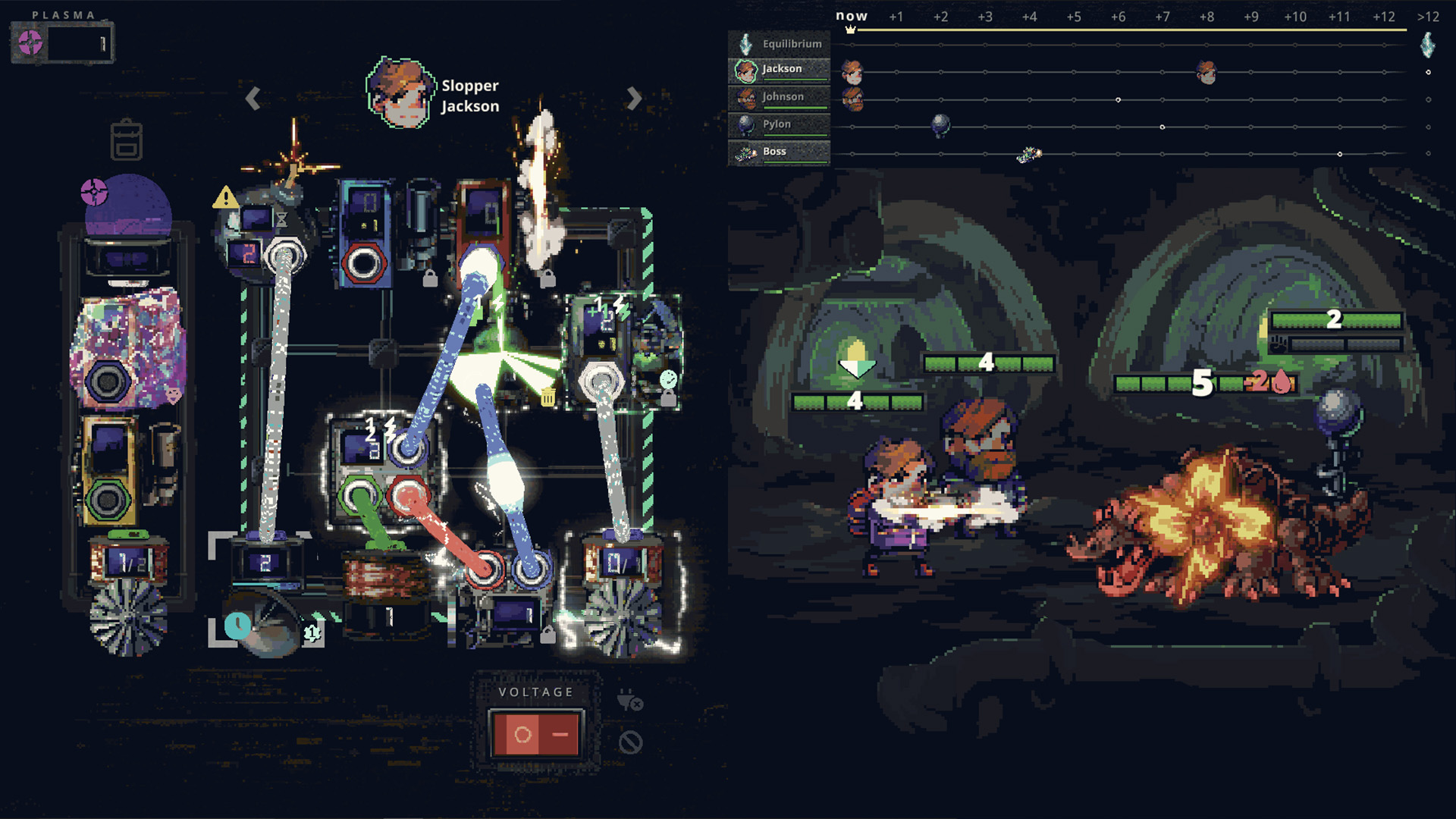
Rogue Voltage is a hybrid of roguelike deckbuilder, tactics JRPG and engineering game with a fully deterministic combat system inspired by modular synthesizers.
Features
Wire Up The Modules
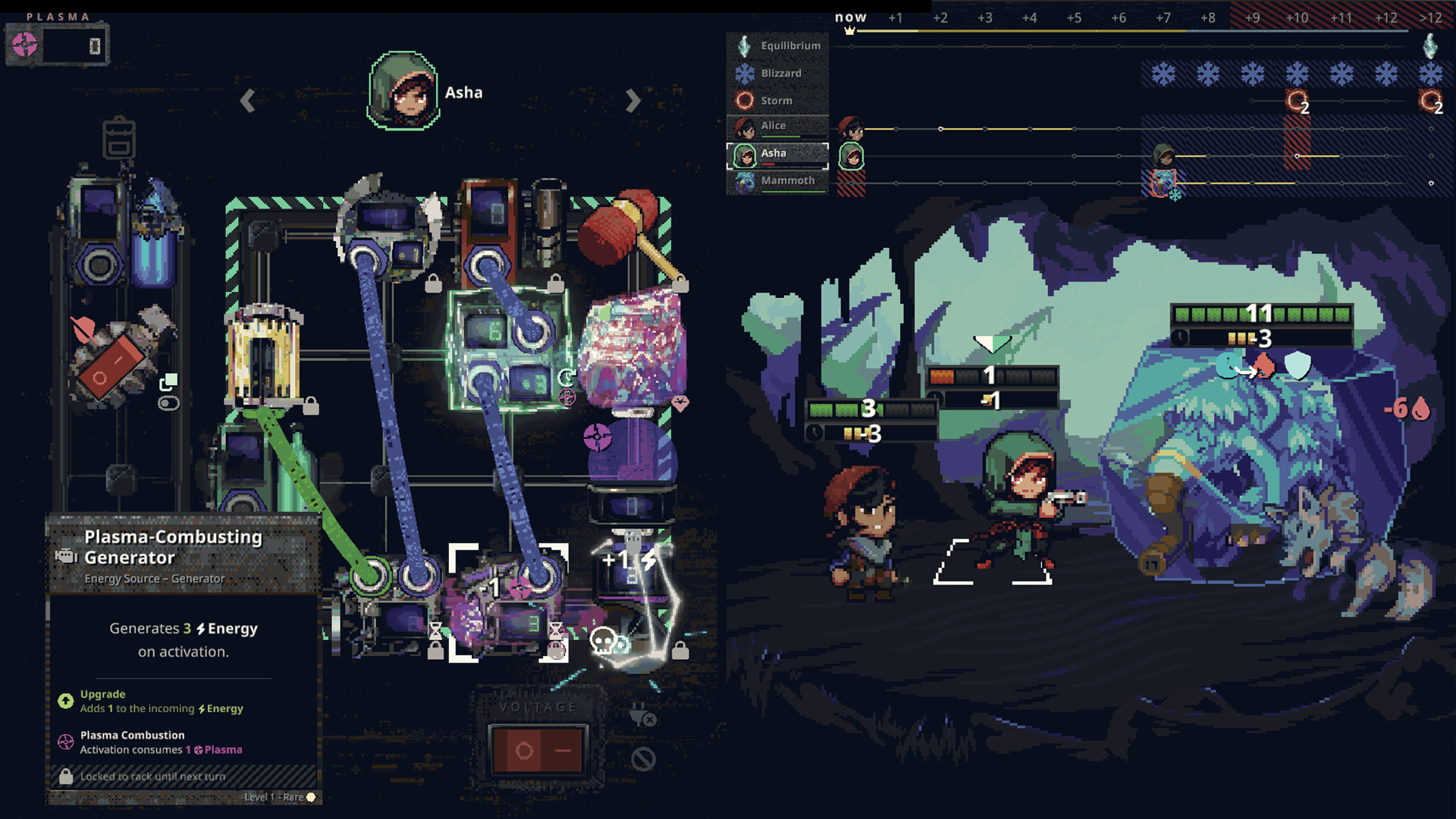
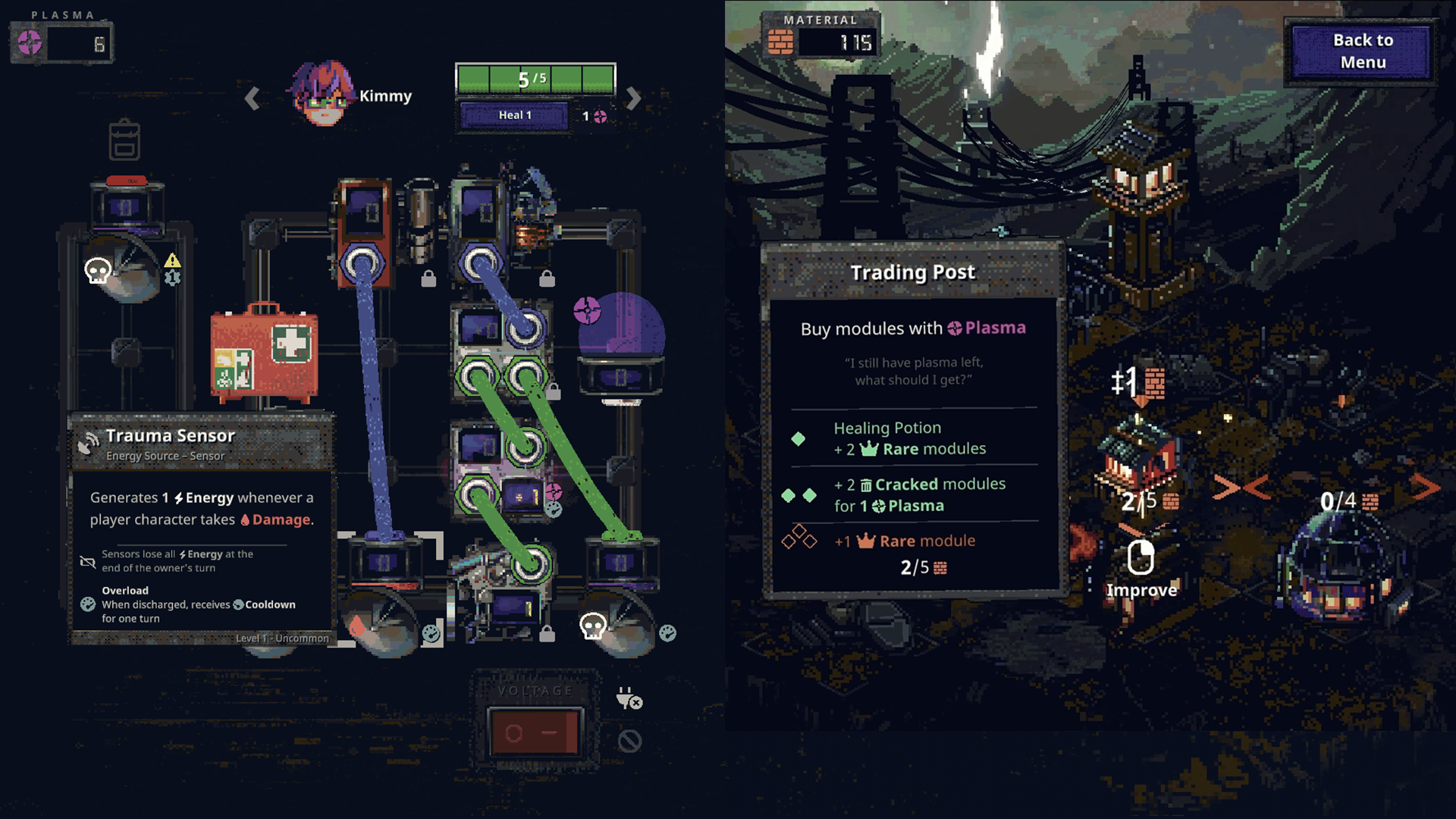
Construct your combos by wiring up modules. Some generate energy, others amplify or store it, and others convert it into effects. Pick from over 160 unique modules to construct crazy machines, discover devastating synergies, and create overpowered builds.
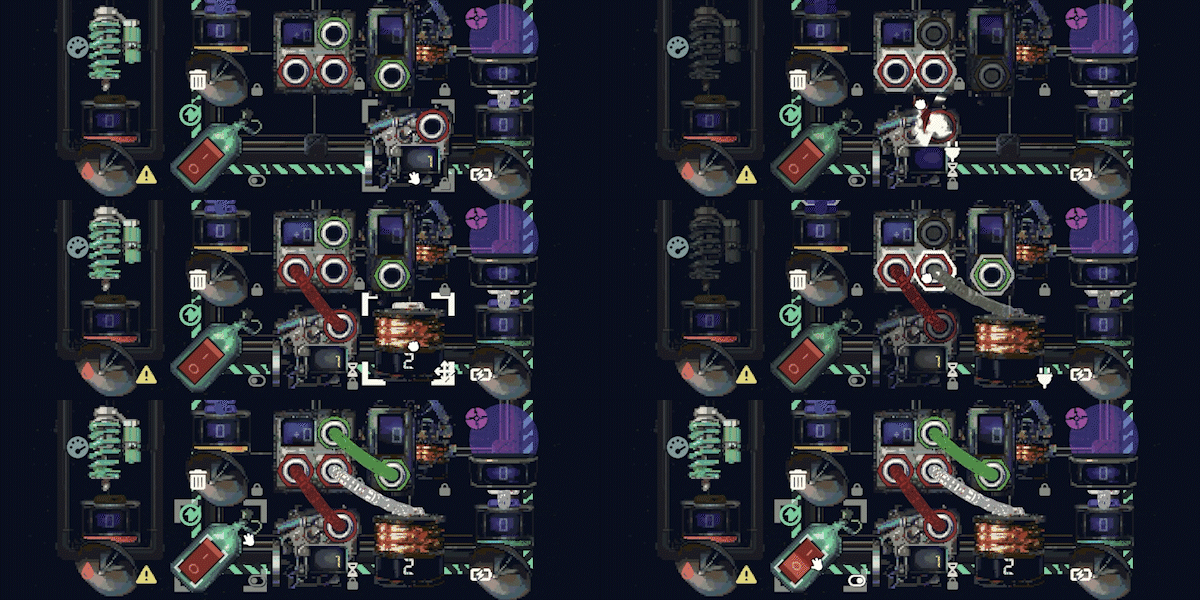
Connect your modules with wires, flip the switch and watch chaos unfold: Energy cascades through your circuits, triggering satisfying chain reactions. Feel like a mad scientist as you tinker, experiment, and discover new ways to amplify your power.
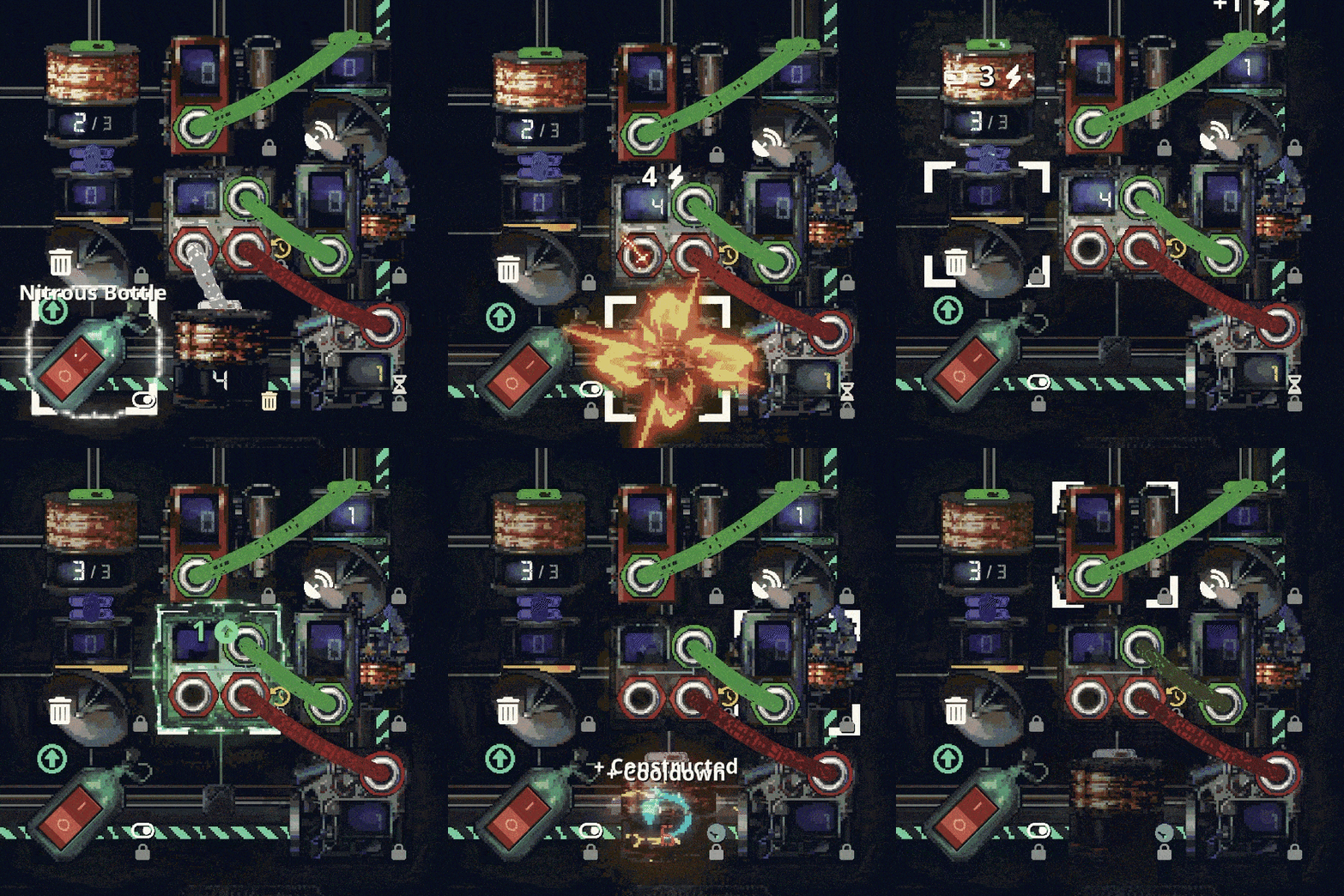
Zap the Monsters
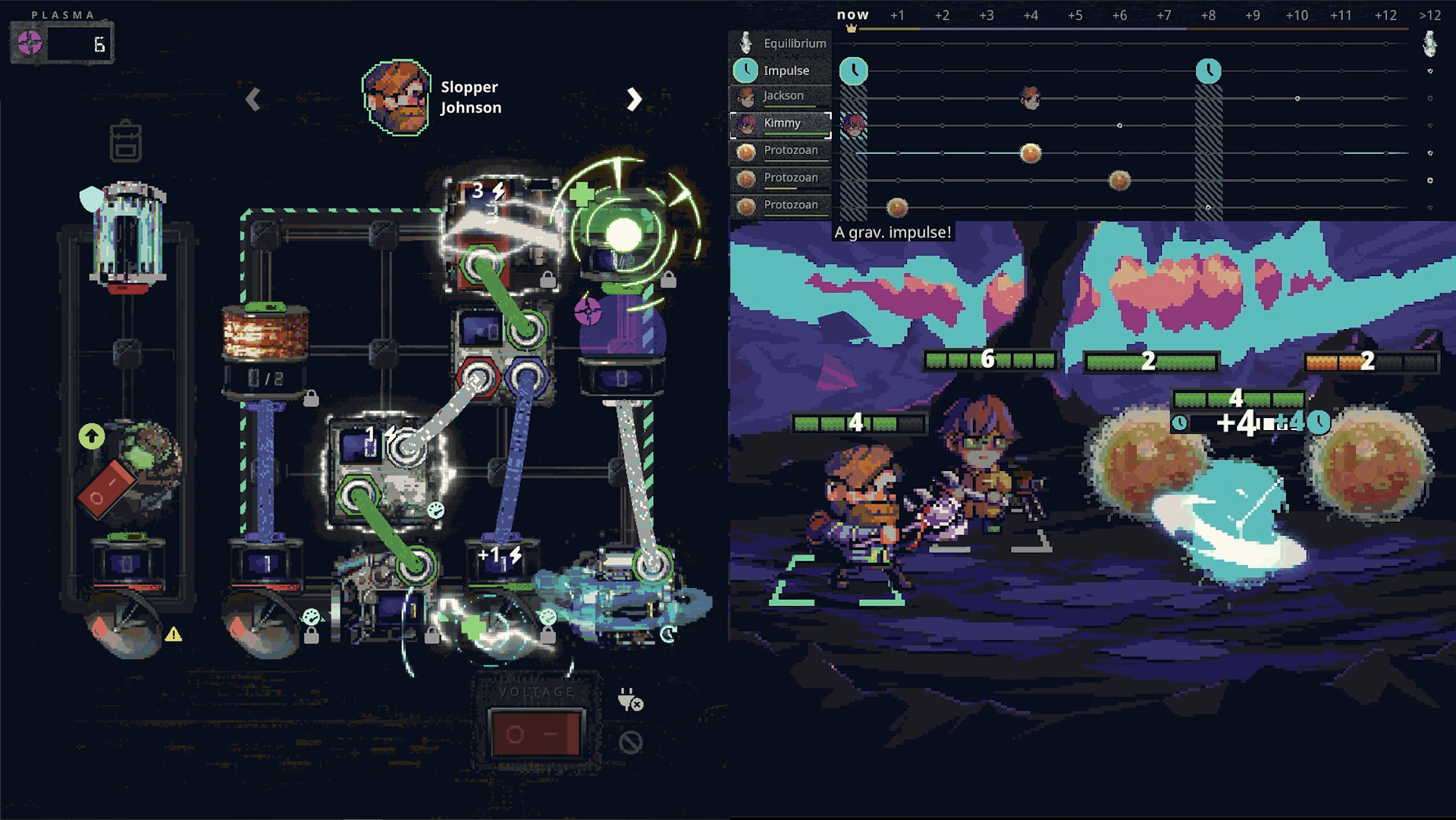
Every turn raises tactical challenges where to direct your energy: Into your blaster to zap the monsters? Into a decelerator to control the timeline? Should you crack a healing potion? Or do you store energy in a battery and prepare an even more ambitious move next turn?
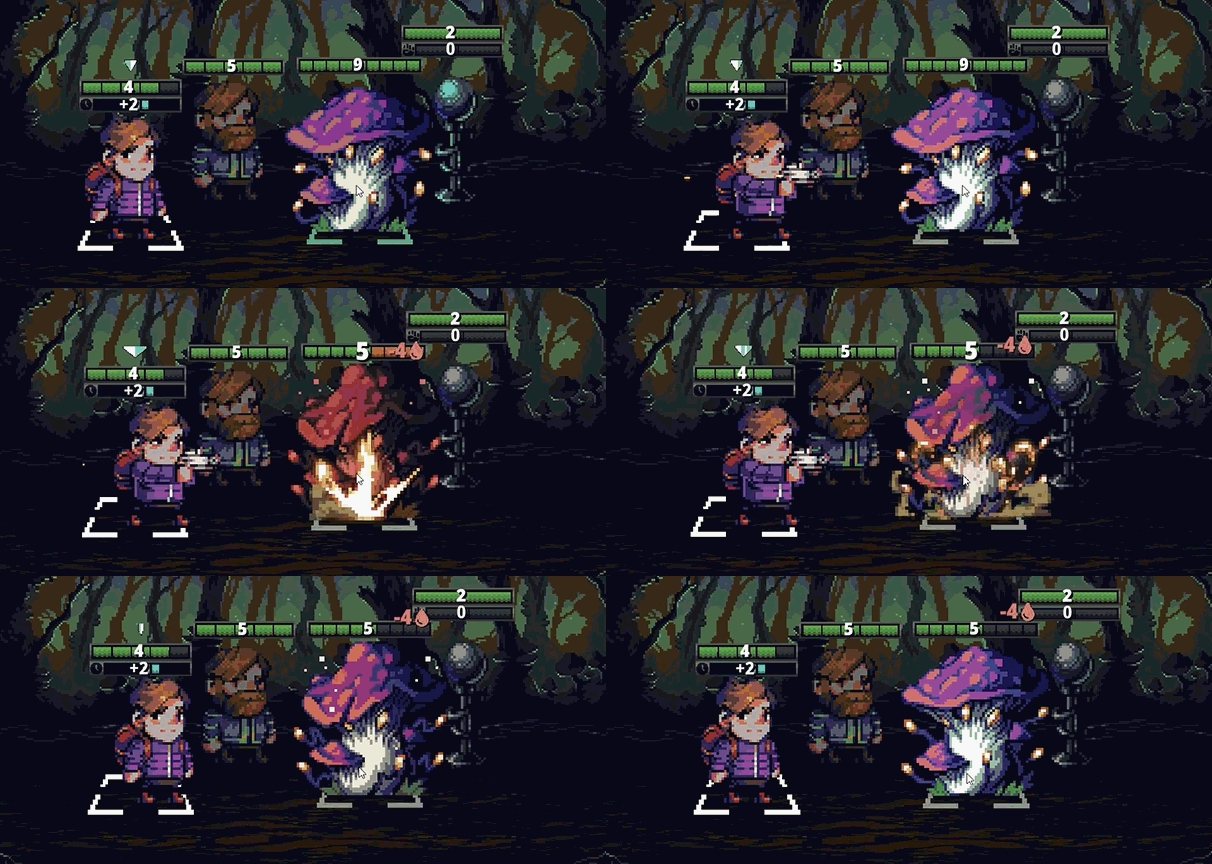
Turn-Based with a (Time-)Twist
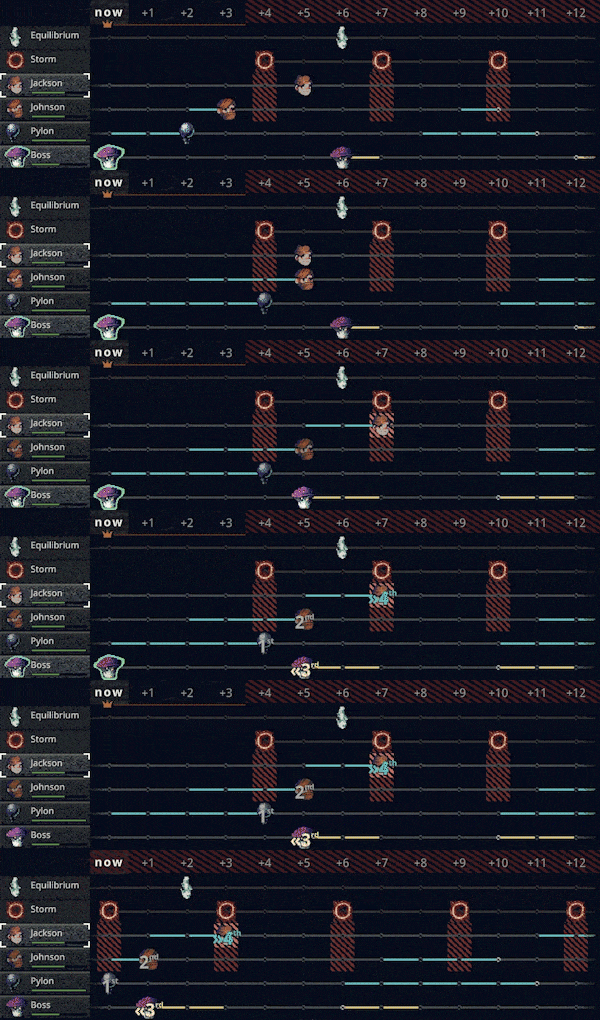
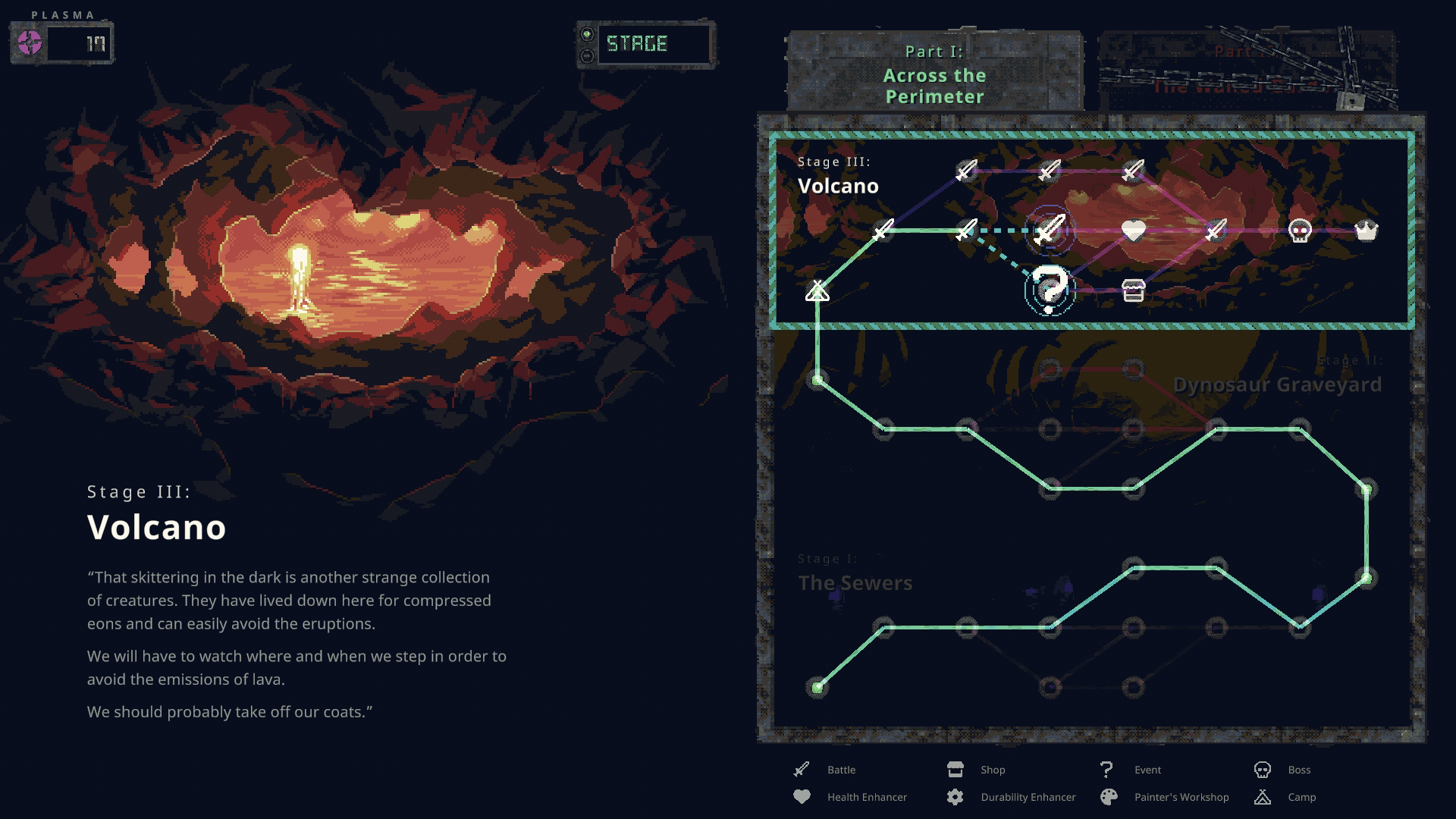
In this shattered world, cause and effect are out of joint. Master the art of Gravitonics to move turns forward or backward in time: Dodge volcano eruptions and lightning strikes, slip before your enemies or throw them into a devastating Grav-Spike.
Roguelike Progression
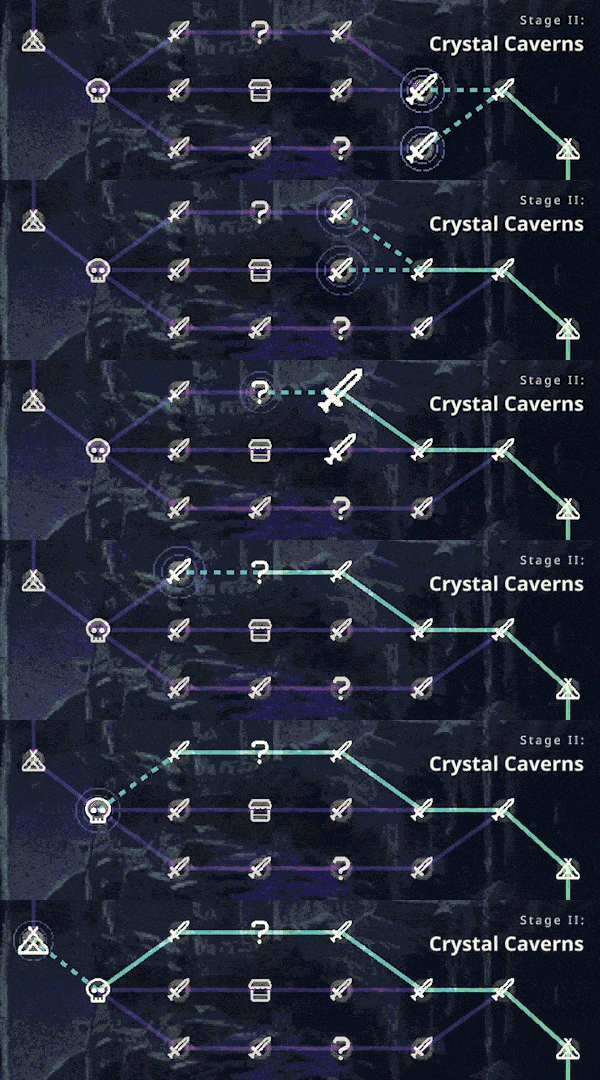
Your adventure leads you through a variety of biomes where tricky groups of enemies try to ruin your day. Compose and patch up your racks wisely to deal with procedurally generated and progressively dangerous threats.
Screenshots
Awards & Recognition









Early Access Reviews
- "Maybe [I need] a time machine, so I can play Rogue Voltage for hours and hours and then
go back in time to do some work. This is easily one of the best ideas for a game I've
played so far this year"
- Liam Dawe, Gaming on Linux - "The core of Rogue Voltage is making crazy machines that do weird stuff. How you do that
is the cool part."
- Jon Bolding, PC Gamer - "Seeing the electricity spark through the wires and watching each module kick into gear
was super satisfying"
- Rachel Watts, Thinky Games - "This roguelike deckbuilder has a great twist"
- Graham Smith, Rock, Paper, Shotgun - "An extremely unusual take on the genre. [...] Mechanically interesting, and with a
grungy palette-crushed look."
- Dominic Tarason, PC Gamer
Production
The Idea
Rogue Voltage started as a passion project of Luca Beisel, an art historian turned software developer, who in 2019 originally set out to make “a sort of micro Final Fantasy”: Growing up on 1990s SquareSoft titles, he was interested in a game design problem that most RPGs have in common: the healer would always heal, the fighter would always attack, and once a mage learned a better spell, the old one became obsolete.
While making music with synthesizers, Luca had the idea for a game that used cable connections to build attacks and abilities - an innovative combat system for a roguelike tactics game. Players tinker with clanky machines and wire intricate patches to finally flip the switch and witness the mayhem unfold.
”Oldschool Final Fantasy, but you play it like a Zachtronics-style engineering puzzler.” — original game idea
Development & Launch
For the longest time, Luca developed Rogue Voltage all by himself. As the Early Access launch approached, he brought on additional team members to avoid burnout. Now, after 24 months in Early Access, he is back to working on the game alone. Rogue Voltage launched in Steam Early Access in May 2024.
Since the inception, the game's community has become an active part of development, with players regularly discovering “broken” combinations and proposing new module ideas. The game has maintained a 94% positive rating on Steam.
Rogue Voltage is represented in Asia by IndieArk, known for their innovative roguelite portfolio including Backpack Battles, Backpack Hero and Peglin.

The production of Rogue Voltage is supported by
Medienboard Berlin-Brandenburg.
Rogue Voltage on Steam
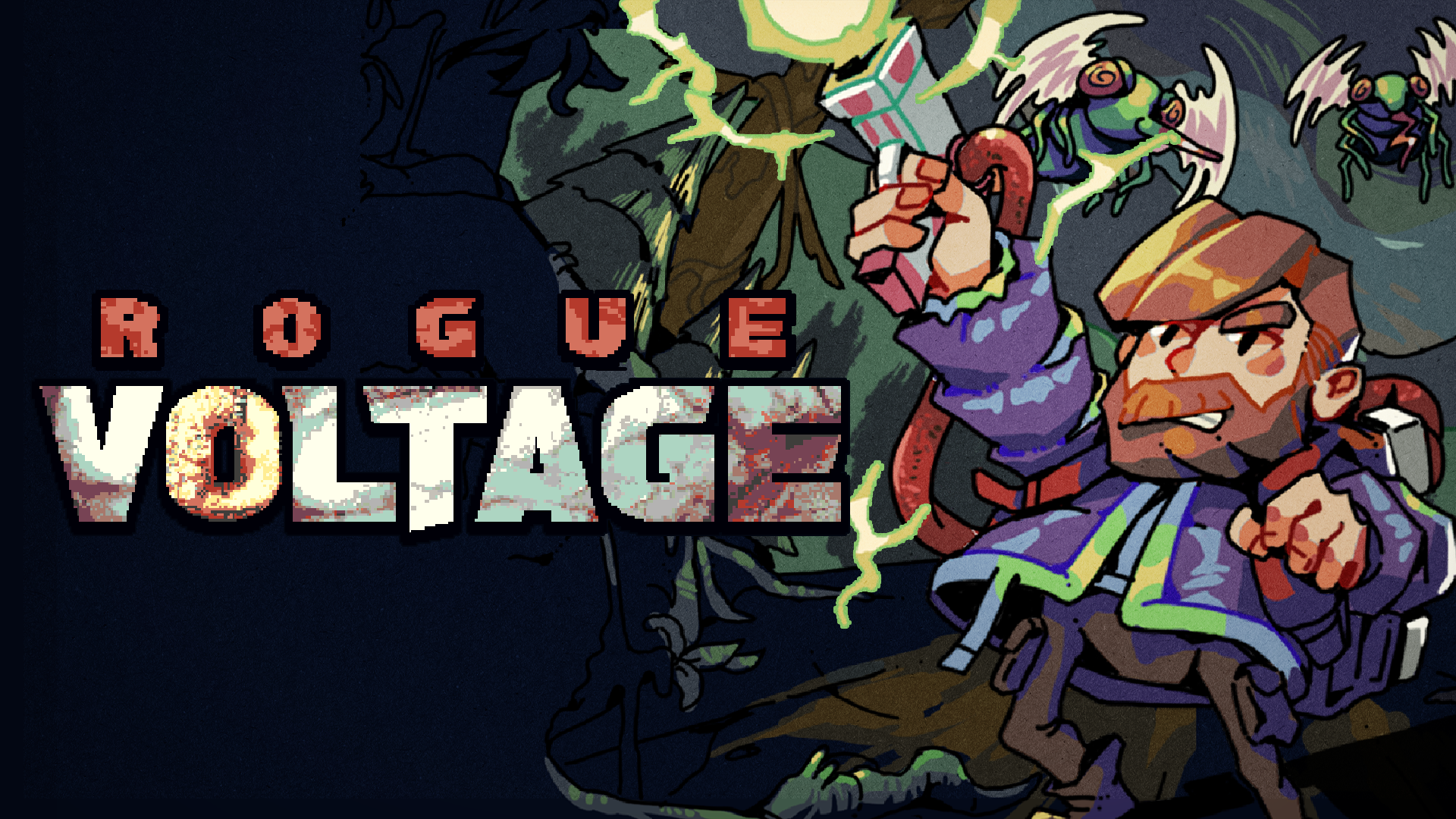
Key Art & Logo Assets

Screenshots






Trailers (Download with right click -> Save Video as)
Announcement Trailer (16:9)
Announcement Trailer (Vertical, no text)
Rogue Voltage Announcement Trailer on Youtube
Gameplay Videos
Requests
Should you require more assets or have custom inquiries please reach out via e-mail or preferably in the Discord.
Production Credits
Luca
Beisel
Design, Development & Direction
Carlos
'karvisprites'
Moreno Tent
Character Pixel Art
Joseph-Paul 'h3xmode'
Silipo
Environment Pixel Art
Jörg
Reisig
Core Development
Hannes Börner
Core Development
Tycho Terryn
Additional
Development
Jonas
Schüler
Additional Sound Design
Slade
Stolar
Additional Writing & Modular Synthesizer Soundtrack
Irene Preuss
Additional Marketing
Contact
Inquiries
mail@horizontcomputergrafik.com
Social Media
Rogue Voltage on
Bluesky
Rogue Voltage on
Discord
Back to top